Mouse Control Sparks NV: Reliable Rodent Protection
A mouse sighting calls for more than setting a trap. Effective mouse control in Sparks, NV starts with confirming activity, identifying entry points, and choosing a response suited to the property. Droppings, gnaw marks, nesting material, and sounds in walls or ceilings can indicate where mice are active, but consider all the evidence together to guide next steps.
It’s understandable to want a quick fix, especially when activity appears in a kitchen, garage, or storage area. This article explains what mouse signs to look for around Sparks homes, how local conditions and property features can affect activity, and how inspection, trapping, and exclusion work together. You’ll also learn why a tailored plan matters, which practical steps can reduce food and shelter, and when professional rodent control can help address an ongoing problem.
Key Takeaways
- Look for patterns such as droppings, gnaw marks, nesting material, and repeated activity to help identify where mice may be moving through your home.
- Deer mice in the Reno region can carry hantavirus, so avoid direct contact with rodent droppings, urine, or saliva.
- Traps address mice already inside, while closing entry points and limiting access to food can help reduce repeat activity.
- A useful control plan considers the home’s layout, signs of activity, food storage, and likely access points rather than relying on one measure.
- When comparing local services, focus on whether inspection, monitoring, trapping, and prevention fit the conditions at your property.
Mouse activity and signs around Sparks homes
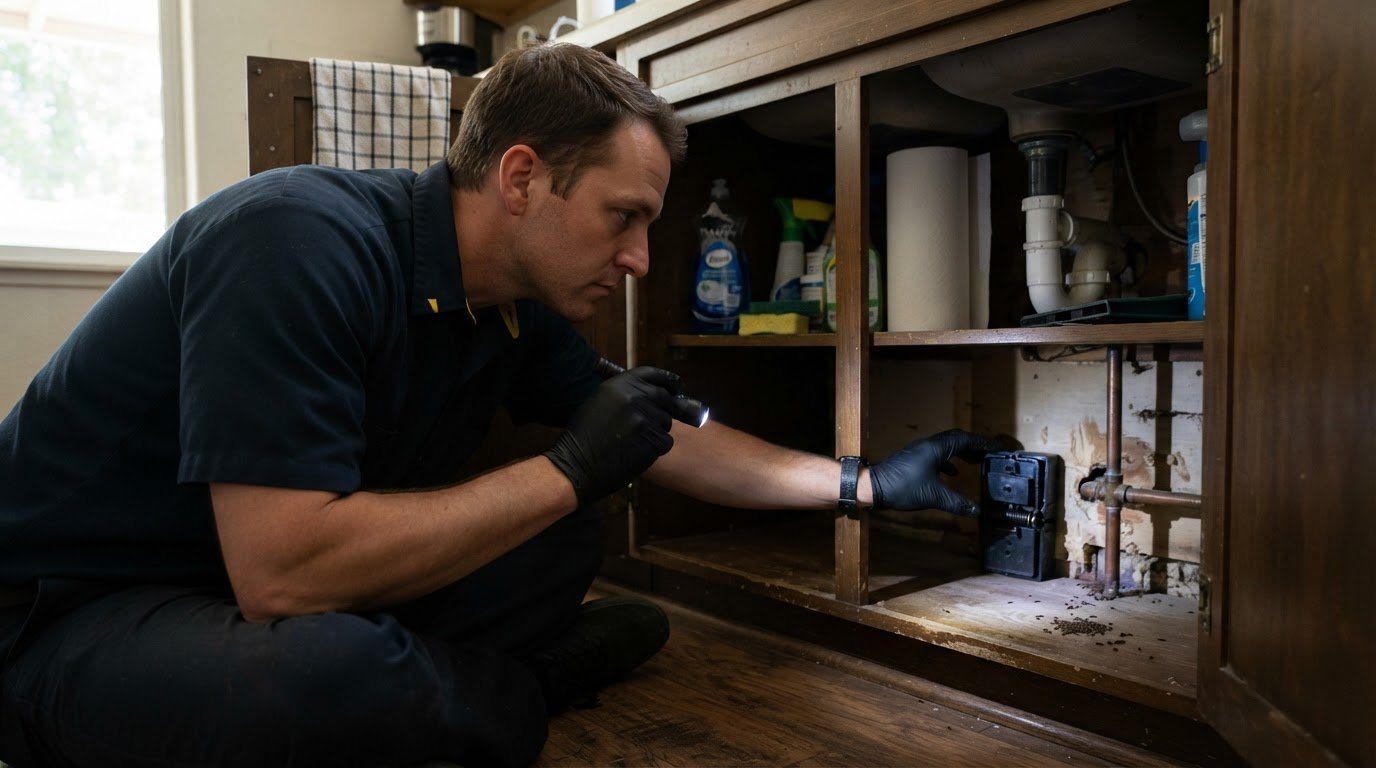
A mouse sighting is one clue, but its location and surrounding evidence can show whether activity is ongoing. In a Sparks kitchen, check behind the refrigerator, beneath the sink, and inside lower cabinets for droppings, gnaw marks, shredded nesting material, or a musky odor. In a garage, inspect stored boxes, pet-food containers, and corners along the walls. Signs in separate areas may indicate that mice are moving through more than one room.
Look for patterns rather than relying on a single mark. Droppings near pantry shelves may point to accessible food, while shredded paper beside a wall void may indicate a sheltered nesting spot. Scratching sounds after dark can draw attention to ceilings or walls, but sound alone can’t identify the animal or its route. Note the room, nearby food or water, and whether signs reappear after cleaning.
Inspect likely travel routes carefully, especially where walls meet floors and around utility lines. Mice can squeeze through gaps about as large as a pencil, so check small openings near pipes or garage doors. Also review food storage: open bags of bird seed, pantry goods, or pet food can attract mice. Store these items in hard plastic or glass containers with tight-fitting lids.
- Droppings: Check cupboards, drawers, garage corners, and areas beside stored food.
- Gnawing: Look for damage on packaging, cardboard, or other accessible materials.
- Nesting: Notice shredded paper or fabric tucked into quiet, protected spaces.
- Entry clues: Examine gaps around pipes, doors, and other openings along a mouse’s route.
Take health precautions when signs include droppings, urine, or saliva. Deer mice in the Reno region can carry hantavirus, which may be transmitted through contact with these materials. Avoid touching rodent waste directly or stirring it into the air. Keep children and pets away from the affected area while determining how to clean it safely.
Mouse signs alone don’t establish that a housing rule has been breached. If you rent, record the date and location of activity, then report it to the property owner or manager. Responsibilities depend on the housing arrangement and circumstances.
Mouse control services can differ in what they include, such as monitoring, return visits, and guarantees. Review the written service details to understand the scope and any conditions.
Keep a simple activity log with room locations and dates, and photograph visible evidence before cleaning. These details help distinguish a one-time sighting from recurring activity and give an inspector a clearer starting point for assessing mouse movement around your home.
Trapping and exclusion
DIY traps can catch mice in accessible areas, while professional rodent control can assess activity across the property and coordinate trapping with prevention. The right approach depends on where mice travel, whether signs recur, and whether traps can be placed safely around children and pets.
For a home trap, choose a spot along a wall or beside a route where mouse activity has been observed. Keep traps away from children and pets, and check them regularly. A trap in the wrong room may miss the route mice use, so let fresh signs and food access guide placement. If activity continues in a garage, pantry, or utility area, reassess the location rather than simply adding traps elsewhere.
Exclusion reduces mice’s access to the building. They can squeeze through an opening large enough for a pencil to fit, so inspect small gaps around pipes, doors, and utility lines. For a narrow gap, firmly packed steel wool sealed with caulk can help block entry. Make sure the repair closes the route without interfering with vents or other building functions.
- Trace routes: Check walls, corners, and stored items for signs that indicate regular movement.
- Place traps thoughtfully: Position them where activity occurs, away from children and pets.
- Close access: Inspect small openings around pipes, door edges, and utility penetrations.
- Reduce attractants: Store pantry items, pet food, and bird seed in hard plastic or glass containers with tight-fitting lids.
Trapping and exclusion work best together. Catching a mouse without addressing an entry gap can leave the route open to further activity. Sealing a gap without monitoring may leave you unsure whether mice remain inside. Pair trap checks with a review of nearby openings and food storage, then note any new signs.
DIY methods may be practical for limited activity with a clear route and accessible entry point. Professional help adds a property-wide assessment and a plan suited to the activity and building conditions. For recurring signs or hard-to-reach routes, professional rodent management can help guide inspection and trapping decisions.
Steel wool and caulk can be used together when closing a suitable mouse-entry gap. Natura Pest Control recommends filling mouse-entry gaps with steel wool and caulk because mice cannot chew through steel fibers. Pack the material firmly into a narrow opening and seal it, while taking care not to obstruct a vent or interfere with another building function. This makes the repair part of exclusion rather than a substitute for checking whether activity continues indoors.
After closing a route, monitor the nearby area and maintain traps where signs have been observed. A lack of new signs can help show whether these steps are working. Fresh signs are a reason to review trap placement, food storage, and other possible openings. Don’t assume one sealed gap accounts for every route: inspect accessible edges around pipes, doors, and utility lines. If signs recur or routes are difficult to reach, professional assessment can help determine what to address next.
What mouse control services are available in Sparks, Nevada?
Mouse control in Sparks can combine inspection, trapping, monitoring, sanitation guidance, and entry-point assessment. The service plan should address both mice already inside and conditions that support continued activity. A kitchen with activity near food storage needs a different focus than a garage with signs near stored materials. For homes and businesses, the property layout and evidence of mouse movement guide the work.
An inspection starts with reported sightings and visible signs. A technician can check accessible areas such as utility rooms, storage spaces, kitchens, and garages, then look for routes, shelter, and likely access points. The findings help distinguish an isolated sighting from a pattern across several areas. They also guide trap placement and identify conditions property owners can address.
Common service components include:
- Trapping: Placement is selected for observed mouse routes and the conditions in each room.
- Monitoring: Devices or follow-up checks help assess whether activity continues.
- Bait stations: Their use and placement depend on the property, pest activity, and appropriate product directions.
- Prevention guidance: Recommendations can address food storage, sanitation, clutter, and possible access points.
- Entry-point identification: An inspection can locate gaps that need attention, without assuming structural repair is part of pest service.
For a Sparks home, a plan might focus on a garage wall beside stored pet supplies, along with advice on tidier storage and access checks. In a restaurant or warehouse, an assessment also considers receiving areas, food or supply storage, waste handling, and staff reports of activity. Monitoring and service records can help commercial property managers track recurring locations and corrective steps.
Dry conditions and seasonal temperature changes can affect where mice seek shelter around buildings. Irrigated landscaping, vegetation near exterior walls, and sheltered storage areas can also influence conditions around a property. An assessment should connect indoor signs with nearby exterior features rather than treating a trap as the complete response.
Control choices should account for occupants, pets, building use, and the exact locations of activity. If pesticide products are considered, their handling and placement must follow product labeling and professional assessment. The aim is a coordinated plan: identify activity, select appropriate control measures, reduce attractants, and monitor for changes. Notes about rooms, sightings, and recent repairs help tailor the plan to the Sparks property.

Where are mouse control companies located in Sparks, NV?
Mouse control providers serving Sparks may operate from an office in the city or travel from another Northern Nevada location. A company’s mailing address alone doesn’t show which properties its technicians cover. For a home near a Sparks boundary, confirm that the service area includes the exact property address, not just the broader Reno-Sparks region.
A company’s business address and service territory are different things. Pest management offices may handle scheduling and records while technicians travel to residential and commercial properties. The stated service area is the useful detail for determining whether a company serves your home or workplace.
To understand local coverage, review a company’s service-area information and look for clear references to Sparks, Nevada. Also consider whether the service applies to your property type. A service description for commercial accounts, for example, may differ from one focused on residences.
- Check the city: Look for Sparks named directly, rather than relying on a general Northern Nevada label.
- Match the property: Note whether the information discusses homes, businesses, or both.
- Read the address carefully: Distinguish an office location from the places where technicians provide service.
- Use the property location: A street address helps clarify whether a service territory reaches your part of Sparks.
Local geography can shape the inspection. A house with an attached garage, landscaped perimeter, and exterior utility connections presents different access points than a warehouse with loading areas and storage rooms. In either case, the useful question is whether the service covers that specific property and can assess its mouse activity onsite.
For renters, a property manager or landlord may coordinate pest service for shared areas or building-wide concerns. Tenants can document where signs appear and report the affected room or common space. For business premises, a facility manager can identify access procedures, storage areas, and the staff member who should receive service notes.
Public business listings can show whether an office is in Sparks, Reno, or another nearby city, but they may describe office locations rather than technician coverage. Consider the address alongside the stated service area and property type. Proximity alone doesn’t mean a company serves a particular building.
Before arranging a visit, have the property address, building type, and locations of observed activity ready. These details help clarify the service needed and what an initial assessment may examine. For example, activity in a detached garage is different from signs near a restaurant’s receiving area.
In short, mouse control companies serving Sparks may be based locally or elsewhere in the region. The relevant location is the service territory that includes your address, supported by a clear description of residential or commercial coverage and the type of assessment available.
Which pest control companies in Sparks offer mouse control?
Mouse control is available through pest management companies serving Sparks and nearby Northern Nevada communities. Look for explicit references to mice or rodent management rather than relying on a broad “general pest control” label. A useful service description explains how inspection, trapping, monitoring, and prevention can work together.
Start with the provider’s service information and confirm that Sparks is within its coverage area. Then consider whether the service fits your property type. A homeowner with pantry activity needs a residential assessment, while a warehouse manager may need attention to receiving areas, storage, and ongoing monitoring.
Compare the scope of service, not just the company name. A mouse control plan may include inspection and trap placement, sanitation recommendations, monitoring, and identification of likely access points. Treat structural repairs separately unless the service description includes them. This helps set clear expectations before a visit.
- Service area: Look for Sparks named directly, then match it to your property address.
- Pest coverage: Confirm that the service description specifically addresses mice or rodents.
- Assessment: Check whether the approach includes inspecting activity locations and potential travel routes.
- Prevention: Look for guidance on food storage, sanitation, and entry-point concerns.
- Follow-up: Review how monitoring or return visits are handled, if included in the service terms.
For a rental, the property owner or manager may coordinate pest service, especially when activity appears in shared spaces. For a business, ask the facilities contact to document affected rooms, access procedures, and relevant food or supply storage. Those details help the service team focus its assessment on the right parts of the building.
Before choosing a service, prepare a short record of what you’ve observed. Note whether signs appear in a garage, kitchen, storage room, or along an exterior wall, and when you noticed activity. A clear description helps the provider understand the situation and explain the likely service steps.
Service terms can differ, so read them closely. Look for what a guarantee covers, any conditions attached, and whether monitoring or additional visits are included. Don’t assume every provider uses the same policy or schedule.
For Sparks residents, choose a provider that serves the area and describes mouse-specific inspection and control. Match the service scope to your building, then share where and how activity appears when arranging an assessment. This keeps the next step focused on your property and the mouse concerns observed there.
Include health concerns when discussing an assessment. Deer mice in the Reno region can carry hantavirus, which may be transmitted through contact with droppings, urine, or saliva. If you find possible mouse signs, describe their location to the service team and discuss how inspection and cleanup should be handled. This helps focus the conversation on control needs and appropriate care around affected areas.
Battle Born Pest Control: Ant Control
Battle Born Pest Control provides Rodent Control for Sparks homeowners dealing with mouse activity. If signs persist or you’re unsure what to do next, share the property details to focus the conversation on the concern and your home’s needs.
Note which areas are affected and whether the property is a home or business. This context helps keep the discussion focused on the rodent issue and the needs of the property.
Contact Battle Born Pest Control to discuss rodent control for your property.
Take the Next Step Toward a Protected Home
A mouse concern is easier to address when the next step reflects conditions at your property. If activity continues or you’re unsure how to proceed, professional mouse control in Sparks, NV can help you move toward a plan suited to the building and situation.
Before reaching out, consider who should be involved. Homeowners can share their observations, while renters may need to coordinate with a property manager. For a business, identifying the facilities contact can keep communication organized and focused on the property.
Battle Born Pest Control provides Rodent Control for mouse concerns. Sharing your property type and the affected areas helps start a focused conversation about the next step.
Contact Battle Born Pest Control to discuss your property’s rodent concern. A thoughtful next step can help you move forward with confidence.
Frequently Asked Questions
What signs indicate a mouse infestation in a Sparks home?
Repeated signs in separate areas may indicate ongoing mouse activity rather than a one-time sighting. Check whether droppings reappear along the same route after cleaning or whether food packaging shows fresh damage in a cupboard. A recurring pattern near a garage, pantry, or utility space helps identify where activity is concentrated and which areas need closer inspection.
How can homeowners prevent mice from entering homes in Sparks, NV?
Reduce shelter near the house by keeping firewood, storage, and dense vegetation away from exterior walls. Check garage door seals and weather stripping for worn sections, and keep outdoor trash containers closed. In Sparks, inspect irrigated planting areas for overgrown cover near the foundation, then trim plants back and remove clutter that could provide sheltered routes toward the building.
What local health or housing rules apply to mouse infestations in Sparks, Nevada?
Mouse signs alone don’t establish that a housing rule has been breached. Renters should record the date and location of activity and report it to the property owner or manager. Responsibilities depend on the housing arrangement and circumstances.
Are mouse control treatments safe for children and pets?
Control choices should account for children, pets, building use, and activity locations. Keep traps out of children’s and pets’ reach, and ensure any pesticide use follows product labeling and professional assessment.