Trusted Pest Control Reno NV: Total Home Defense
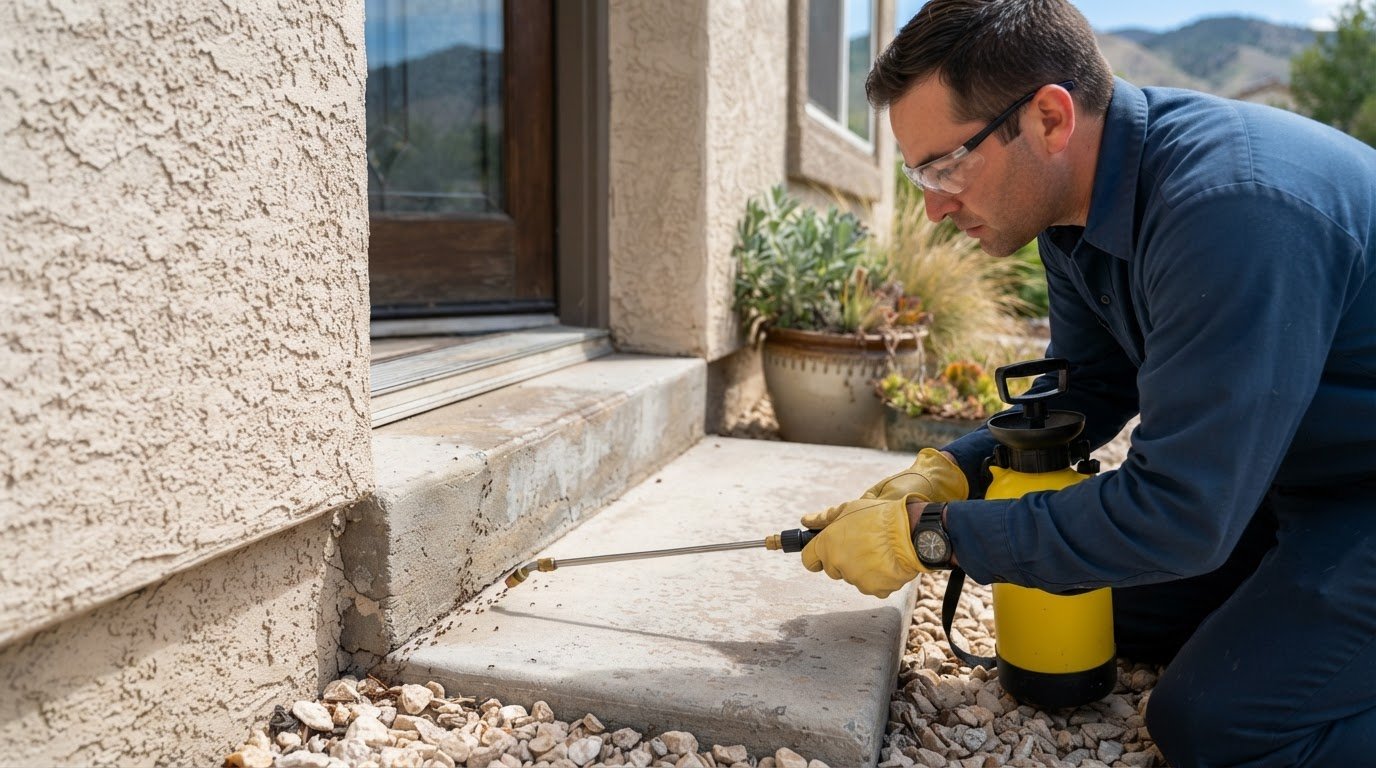
Termites can be a concern for Reno properties, but signs of possible activity call for careful identification, not assumptions. Pest control in Reno, NV, can address common household pests, while termite inspection and treatment are separate services.
It’s reasonable to want a clear answer before deciding what your property needs. This article explains why termite concerns merit attention, how pest control differs from termite-specific service, and which signs deserve a closer look. You’ll also learn how residential and commercial pest management addresses common pests and what eco-conscious approaches can involve, including prevention and targeted treatment. The goal is to help you understand your options and choose support that fits your home or business, without treating every pest concern as the same problem.
Key Takeaways
- Learn why signs of termites deserve proper identification and how that concern differs from routine pest management.
- Understand how exterminator and pest control company are commonly used, and what matters when addressing spiders, ants, and rodents.
- See how pest prevention needs can differ between homes and commercial properties.
- Explore what eco-friendly pest management can involve, from reducing pest attractants to using targeted treatments responsibly.
- Find out which common pest concerns are suited to professional help and what to consider before choosing a service approach.
Are termites a problem in Reno?
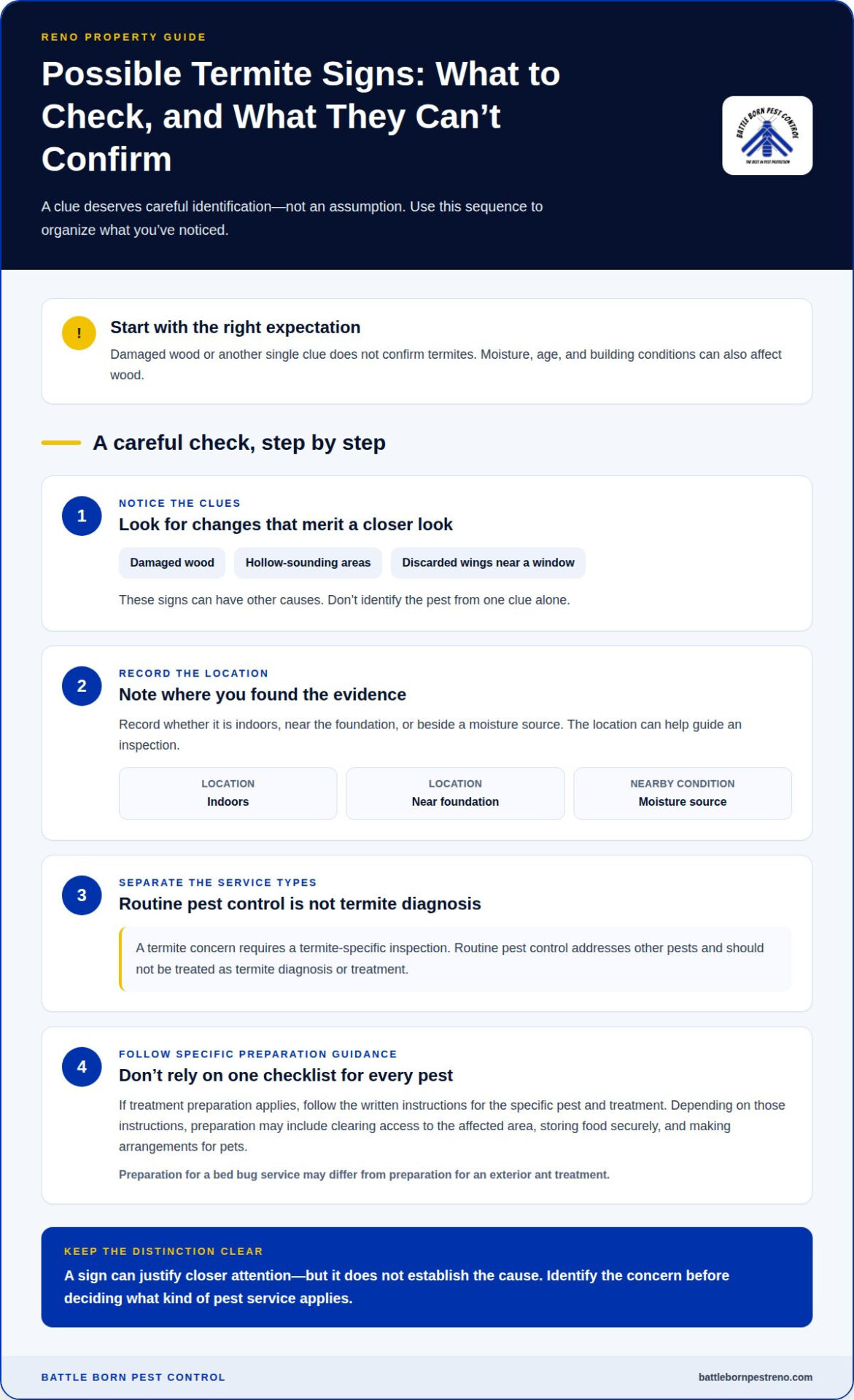
Termites can be a concern for Reno properties, but signs of wood damage don’t confirm termites by themselves. Moisture, age, and building conditions can also affect wood. A termite concern requires a termite-specific inspection; routine pest control addresses other pests and should not be treated as termite diagnosis or treatment.
Look for changes that merit closer attention, such as damaged wood, hollow-sounding areas, or discarded wings near a window. These signs can have other causes, so don’t assume the pest from one clue. Note where you found the evidence and whether it is indoors, near the foundation, or beside a moisture source. That location can help guide an inspection.
For treatment preparation, follow the written instructions for the specific pest and treatment. Clear access to the affected area, store food securely, and make arrangements for pets as directed. Preparation for a bed bug service may differ from preparation for an exterior ant treatment, so one checklist won’t fit every visit.
Residential pest-control plans generally depend on the target pest, property layout, activity, and whether service is one-time or recurring. Ant activity near an exterior entry, for example, may call for a different scope than repeated spider activity in several parts of a home. Review which areas and pests a plan covers and whether follow-up visits are included in its stated schedule. The treatment approach should match the inspection findings.
Some pest concerns call for a one-time service, while recurring activity may benefit from ongoing management. Bed bug and cockroach treatments require pest-specific assessment and preparation. Fleas also need accurate identification and a plan suited to the affected areas. Don’t assume one treatment or preparation routine applies to all these pests.
Battle Born Pest Control serves Reno, Sparks, Carson City, Dayton, and surrounding Northern Nevada communities. Local conditions matter: dry weather can draw pests toward irrigated landscaping, while seasonal temperature changes can make sheltered indoor spaces more attractive. Exterior vegetation and gaps around entry points may also affect pest activity.
A useful inspection starts with the reported pest, the rooms or exterior areas involved, and conditions that could support activity. For example, a technician assessing ants may examine likely entry points and nearby landscaping. The findings help determine the next step and appropriate control services. The response depends on the service needed and the reported issue, so an unconfirmed termite concern should not be treated as a routine pest-control visit.
Are you an exterminator or a pest control company?
“Exterminator” is a familiar term for someone who treats pests, while “pest control company” often describes a broader management approach. That work can include identifying the pest, assessing where it is active, reducing conditions that attract it, and choosing treatment suited to the property.
In Reno and Northern Nevada, common household concerns include spiders, ants, rodents, cockroaches, wasps, and earwigs. Seasonal temperature changes, irrigated landscaping, and sheltered indoor spaces can influence where pests appear. Residents in Carson City may encounter many of the same structural pest concerns, though the right response depends on the pest and property.
Signs vary by pest. Ant trails can point toward a food source or entry area; rodent droppings, gnaw marks, or scratching sounds can indicate activity. Bed bugs may leave dark spotting or shed skins near resting areas, while termite clues can include damaged wood or discarded wings. Any single sign needs careful identification before treatment.
For spiders, technicians assess where webs or activity occur, including corners, storage areas, and exterior entry points. Spider control in Reno, NV can combine targeted treatment with steps to reduce places pests can shelter. Ant control starts by identifying the ant and tracing its activity, since a trail along a kitchen counter differs from activity near an exterior foundation.
Rodent control also starts with inspection. A technician looks for droppings, rub marks, damaged materials, food access, and possible entry points, then selects monitoring or trapping methods suited to the conditions. Prevention can include improving sanitation, securing food and waste, reducing clutter, and addressing gaps through appropriate property maintenance. These steps support control, but they don’t guarantee that all entry points are sealed.
Termite concerns require a different assessment from routine rodent or spider management. Signs such as mud tubes or wood damage can justify a termite-specific evaluation, but they don’t establish the cause on their own. Bed bug activity also needs pest-specific identification; evidence near a mattress or upholstered furniture should be assessed before treatment or preparation begins.
For an effective visit, describe where you saw activity, when it appears, and whether it occurs indoors or outside. A photo can help document a pest for identification, but it may not show the full extent of activity. Technicians use those details alongside an on-site inspection to shape recommendations, rather than applying the same control services to every pest.
If spiders, ants, or rodents keep returning, professional pest management can help connect inspection findings with prevention and targeted treatment.
Residential and commercial pest control
In Reno, pest control services can address ants, spiders, wasps, rodents, earwigs, and other structural pests. Residential and commercial pest management starts by identifying the problem and where activity occurs. Pest control in Reno, NV, should account for the property’s layout, nearby conditions, and the pest being addressed.
A home assessment considers rooms, entry areas, food storage, moisture, and surrounding landscaping. For example, ant activity beside a patio door may relate to a nearby trail, while spiders in a garage may point to sheltered hiding places. Findings guide treatment and prevention recommendations for the property.
Residential service can address an active issue or recurring pest pressure. A homeowner might need attention for ants around a kitchen, spiders in storage areas, or rodents near a garage. Recurring service can address patterns over time, with recommendations shaped by pest activity, property conditions, and the areas needing attention.
Commercial properties need a plan that fits how each space is used. A restaurant, office, warehouse, and apartment community have different layouts, sanitation routines, storage areas, and access points. Pest management should account for those differences rather than apply one approach to every building.
For a business, effective service begins with clear observations and communication. A technician can assess reported locations, identify conditions that may attract pests, and recommend targeted control measures. For example, a warehouse inspection may focus on receiving areas, stored materials, waste handling, and possible rodent entry points. A restaurant may need attention to pest activity near food storage or service areas.
Both settings benefit from prevention steps that match the pest. These may include:
- Reducing accessible food and keeping waste areas orderly.
- Managing irrigation and vegetation near exterior walls.
- Noting where and when activity appears, such as ants near a sink.
- Addressing gaps or clutter that provide shelter or access.
These actions support professional pest management, but they don’t replace accurate identification. Treatment recommendations depend on the pest, the property, and conditions found during inspection. Pesticide use should be targeted and follow product labeling, with attention to people, pets, and the surrounding environment. For pest control in Reno, NV, local irrigation, seasonal weather, and landscaping can also inform the assessment.
Service scope matters. A request about rodent activity differs from one involving wasps near an entrance, and tree pest concerns require assessment of the tree rather than the building. Separating these issues helps direct attention to the right locations and management steps. For Reno homes and businesses, describe the pest, affected areas, and when activity occurs to help shape an inspection and a plan for the property.
Satisfaction guarantee
Reno pest-control companies can differ in treatment methods and guarantee terms, so the written scope matters. A satisfaction promise, retreatment offer, or pest-free claim should state what it covers and how it applies.
Retreatment Coverage
A retreatment guarantee generally describes what happens if the covered pest remains active after a service. Its usefulness depends on the written terms, including which pests and areas qualify, what follow-up involves, and whether the original treatment scope still applies. For example, a return visit for ants in a treated area may be treated differently from a newly discovered issue elsewhere.
Look for clear explanations of what counts as continued activity and what steps follow a report. The treatment plan should also identify factors that can affect results, such as sanitation, moisture, or access to pest hiding places. A defined follow-up process is more informative than the word “guaranteed” alone. It helps set expectations without implying that every pest issue follows the same course.
Pest-Free Coverage
Claims about a pest-free outcome need careful attention. The written terms should name the pest, the covered property or areas, and the conditions that apply. A statement about spiders, for instance, should not be assumed to cover rodents or bed bugs. Pest activity can also change when landscaping, building conditions, or sanitation changes.
Read the written coverage and exclusions to understand what a service commitment means in practice. A “free estimate” describes the estimate’s fee status, not whether treatment is guaranteed or what follow-up includes. Likewise, a satisfaction statement should explain the outcome it addresses. Specific language helps distinguish a defined service commitment from a broad promotional phrase.
Treatment Methods and Guarantees
Compare treatment plans by how they address identification, inspection findings, prevention, and targeted application. Ant activity may require attention to trails and entry points, while rodents call for monitoring and assessment of possible access. Recommendations should reflect the pest, property conditions, and product labeling, rather than relying on one method for every situation.
Guarantee language should match the treatment being described. Read whether it refers to a retreatment, follow-up assessment, or a broader pest-free outcome, and note which pests and locations are included. For any pesticide use, responsible application and label directions remain important parts of the plan. A satisfaction promise should not be interpreted as a claim that pesticides are harmless or that pest activity can never return.
For Reno homes, useful service terms are specific about scope and next steps. Clear expectations help residents understand what a service covers, which conditions can influence results, and how continued activity is handled.
Eco-friendly pest control in Reno
Eco-conscious pest management in the Truckee Meadows starts with reducing conditions that attract pests, then choosing treatments carefully. In Reno’s high-desert climate, irrigation, seasonal temperature changes, and sheltered buildings can shape pest activity around homes and businesses.
An integrated approach means identifying the pest, inspecting where it is active, reducing attractants, monitoring results, and using targeted treatment when appropriate. It does not promise pesticide-free service. Recommendations consider the pest, property conditions, product labeling, and ways to limit unnecessary exposure.
Pest control begins by distinguishing a pest from similar insects and locating its activity. An ant trail near a damp area, for example, calls for different attention than spiders in an undisturbed storage space. Accurate identification helps avoid broad treatment that misses the source or targets the wrong pest.
Prevention can address conditions that support pest activity. An assessment may identify leaking irrigation, vegetation touching a structure, accessible food, clutter, or gaps near entry points. Correcting relevant conditions can reduce shelter and attractants, while monitoring helps show whether activity continues.
Targeted treatment should match the pest and location. For ants, that may mean focusing on observed activity rather than treating unrelated areas. Rodent management can combine monitoring with sanitation recommendations and attention to possible access points. Product choice and application depend on the inspection and must follow product labeling.
“Eco-friendly” does not mean a product is harmless to people, pets, wildlife, or the environment. Responsible pest control includes explaining relevant preparation and safety steps, selecting suitable application areas, and avoiding unsupported claims about treatment. Homes with children, pets, gardens, or nearby water features need property-specific consideration.
Bed bugs show why targeted planning matters. Their presence calls for accurate identification, inspection of affected areas, preparation guidance, professional treatment, and consideration of follow-up. A general exterior application is not a substitute for a bed bug plan.
In the Truckee Meadows, dry conditions and irrigated landscaping can create contrasting zones around a property. A technician may consider whether activity appears near a watered garden, a garage, or an indoor resting area. These details help shape practical recommendations instead of relying on the same treatment pattern for every building.
For a lower-impact plan, focus on the process: identify the pest, address relevant attractants, monitor activity, and apply treatment selectively when the assessment supports it. Reno property owners can discuss environmental priorities alongside effective pest management.
Battle Born Pest Control: Ant Control
Battle Born Pest Control provides ant control for Reno-area homes and businesses dealing with recurring trails or activity near entry points. Identifying where ants appear and what may attract them helps shape a treatment plan for the property, rather than relying on a one-size-fits-all approach.
Professional attention may help when ants keep returning, spread into multiple rooms, or appear despite changes to food storage and cleaning. Treatment recommendations depend on pest activity and property conditions, with pesticide use guided by product labeling and careful application.
If ants are disrupting your home or business, contact Battle Born Pest Control to discuss ant control.
Choose a Practical Next Step for Your Property
A useful next step is to identify the concern and where it occurs. For recurring activity, note the affected areas and any changes around the property, such as irrigation or stored items. That context can help shape a service plan suited to your home or business. Choosing pest control in Reno, NV, is easier when recommendations focus on the specific pest and property conditions rather than a one-size-fits-all treatment.
Battle Born Pest Control offers Ant Control and Wasp Control for common pest concerns. Tree Pruning is a separate service for maintaining trees, not a treatment for structural pests. If you’re ready to discuss the issue affecting your property, contact Battle Born Pest Control. A clear conversation can help you take a considered step toward protecting your space.
Frequently Asked Questions
Are you licensed and insured?
Battle Born Pest Control is a locally licensed pest control company serving Reno, Sparks, Carson City, Dayton, and surrounding Northern Nevada communities. Treatment plans are tailored to the pest and property, with attention to family, pet, and property safety. Describing the affected areas and pest activity helps define the appropriate scope for a home or business.
How fast can you come out?
Scheduling depends on the service needed, current appointments, and the property’s location. An active ant issue in a kitchen may require a different assessment than wasps near an entry or a planned recurring visit. Share the pest you’ve seen, where it appears, and whether the concern involves a home or business. Those details help clarify the service request without assuming a specific arrival time.
What areas do you serve?
Battle Born Pest Control serves Reno, Sparks, Carson City, Dayton, and surrounding Northern Nevada communities. The company provides residential and commercial pest control, while the specific concern determines which service is relevant. For example, a household reporting spiders and a business reporting rodent activity need different information when arranging service. Include your community and property type when describing the issue.
What products do you use around kids and pets?
Treatment recommendations are tailored to the pest and property, with family, pet, and property safety in mind. The specific product and application depend on inspection findings and product labeling, so a universal product name or blanket safety claim would be misleading. Before treatment, identify household areas used by children or pets, such as play spaces, feeding stations, or pet beds, so relevant instructions can address them.
Why are spiders common around Reno homes?
Spiders can find shelter around homes in garages, sheds, storage areas, and quiet corners. Irrigated landscaping may support insects that spiders feed on, while seasonal temperature changes can make sheltered building spaces attractive. Webs around exterior lights or in undisturbed garage corners, for example, may indicate where spiders are settling. Reducing clutter and managing vegetation near the structure can help limit sheltered areas.
What do pest control services cost in Reno, NV?
Service scope depends on the pest, property, activity, and whether the request is for a one-time treatment or recurring maintenance. A localized wasp concern differs from ongoing pest prevention across a larger property. Battle Born Pest Control offers one-time treatments for active pest issues and ongoing maintenance plans. A property-specific assessment helps define the work involved rather than relying on a generic estimate.
Which pest control companies in Reno are licensed and well-reviewed?
Battle Born Pest Control is a locally licensed company serving Reno, Sparks, Carson City, Dayton, and surrounding Northern Nevada communities, with pest-control solutions tailored to each property. The appropriate service scope depends on the pest and setting; ant activity and rodent concerns, for example, call for different assessments. Honest service and tailored recommendations connect treatment planning to the issue affecting your home or business.
Are there eco-friendly or pet-safe pest control options in Reno?
Eco-conscious pest management can include inspection, prevention, monitoring, and targeted treatment based on the pest and property. “Pet-safe” should not be taken to mean every product or application is harmless in every situation. Treatment recommendations depend on product labeling and site conditions. Share relevant household details, such as pets’ access to treated areas, so safety instructions can address the application.